Oil Tank Services In Oxfordshire
For the tank at the end of the garden. And the fuel system behind the business.
Removal, replacement, installation and cleaning for homes and commercial premises across the county.
Start With Your Tank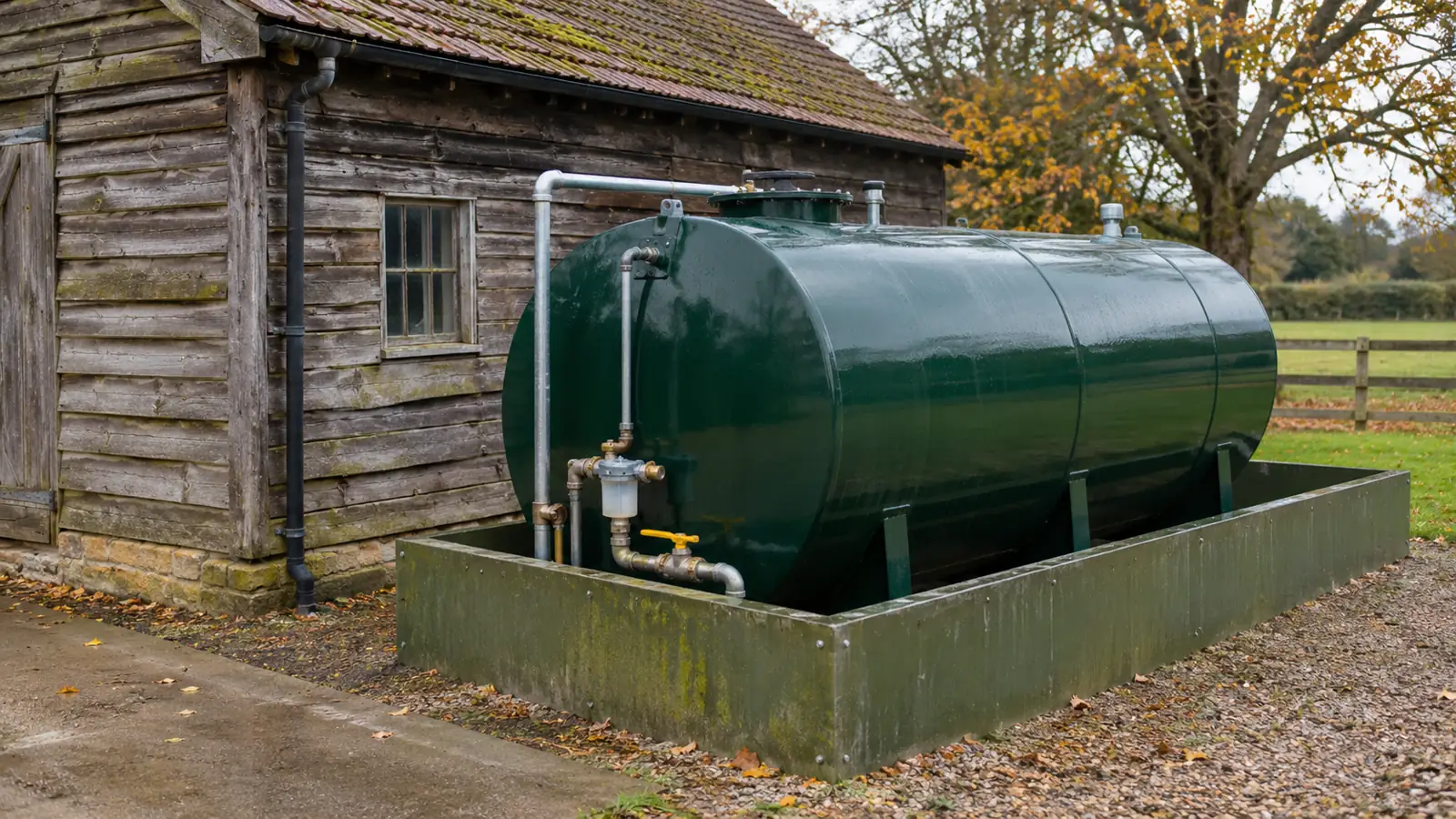
The Right Work Begins With The Tank You Have.
A tank enquiry often starts with a change: a delivery refused, an ageing vessel, a house extension or heating that no longer needs oil. Identify the work you need below, or tell us what you have found.
Our guides explain the choices before a quotation. They cover fuel left inside, routes through village gardens, base preparation and the records worth keeping.
Oil Tank Removal
Retire the tank. Recover the space. Account for everything that leaves.
Read Guide02Oil Tank Replacement
A new tank is only part of the change. The base, fuel and heating connection matter too.
Read Guide03Oil Tank Installation
Start with the position and the purpose. Choose the tank after the site has been understood.
Read Guide04Oil Tank Cleaning
Find what is in the fuel. Remove the deposits. Address how contamination got there.
Read Guide05Underground Tanks
Establish what is buried before deciding what should remain below ground.
Read Guide06Leaking Oil Tanks
A suspected leak needs prompt action, a clear account of what has escaped and the right next step.
Read Guide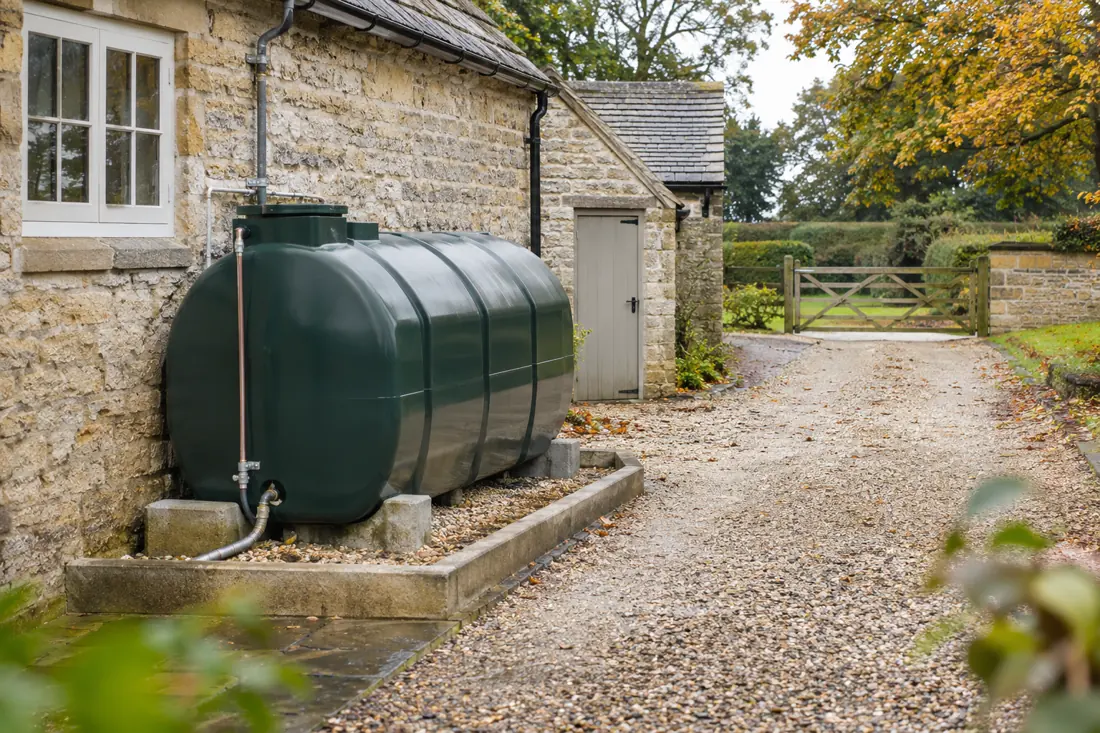
The route to the tank belongs in the plan.
Rural Properties Need More Than A Postcode.
A narrow gate may decide how an old steel tank leaves. A sloping garden may affect the base. A driveway shared with neighbours can limit where recovery equipment stands. These details shape the scope as much as capacity or material.
We welcome enquiries from Oxford, Banbury and Bicester, through Witney, Chipping Norton and the surrounding villages, to Abingdon, Didcot and South Oxfordshire. Give the property postcode and describe the final approach, including access beyond the road.
The county's landscape includes Cotswold limestone buildings and dry stone walls, as described by the National Landscapes Association. Where stone boundaries or older structures restrict a route, photographs help identify handling constraints before a visit.
Read Our Oxfordshire Access GuideThree Things To Settle Before Booking.
The Installation
Tell us the tank's material, approximate size and condition, and what it supplies. A photo of the label is useful. If there is an active leak, use the official reporting route and seek prompt help rather than waiting for an online reply.
The Contents
Estimate how much oil remains and mention water, sludge or repeated filter problems. Fuel may be reusable after assessment, but the quote needs to account for storage, transfer and any waste. An empty-looking tank still needs specialist preparation.
The Finish
Explain what you want left behind: a connected new tank, a cleared footprint or a prepared site for building work. Base removal, ground investigation and reinstatement need to be agreed explicitly. Ask which completion and waste records apply.
Tell Us What Needs Attention.
You do not need to know the technical answer before enquiring. Describe the problem, your intended timescale and whether the tank still feeds heating or business equipment.
We use your details, with your agreement, to put the enquiry to a suitable service provider. They confirm availability, assess the work and explain the quotation. Sending a form does not book a visit or commit you to a purchase.
For a replacement, flag any period when heating must remain available. For a removal, say whether fuel and the old base need taking away. For a clean, include the symptoms and any recent appliance checks.
Photos can follow by email. Take a wide view of the tank, its supports and the full access route from a safe position. Do not open covers or disturb damaged fittings to obtain pictures.
Suspect a leak? Read the leaking oil tank guidance. This form is not continuously monitored.
Before You Enquire
Can You Help With A Tank In A Village Garden?
A village garden tank can be assessed for removal, replacement or cleaning even where access is restricted. Describe the narrowest gate, any steps and where a vehicle could stand. Photos of the full route help establish handling options, while a visit may still be needed before a firm method and quotation are agreed.
Do You Handle Domestic And Commercial Enquiries?
Domestic and commercial oil tank enquiries are both welcome. Tell us whether the tank supplies a home, rented property, farm or business equipment, because the design and work arrangements differ. Commercial sites should include shutdown restrictions and site access requirements, while households should explain any dependence on heating or hot water.